







Search Results for: Panama coffee beans
Exploring the Flavor Characteristics and Origins of Panama's Green Tip Geisha: From Hacienda La Esmeralda to a Specialty Coffee Legend
Panama, this narrow isthmus connecting North and South America, with its unique microclimates and volcanic soil, has given birth to the world-famous Geisha coffee. From the introduction of Typica in 1780 to Hacienda La Esmeralda's stunning breakthrough in 2004, how did Geisha rise from a windbreak hedge to the pinnacle of fame? What is the difference between green-tip and bronze-tip? This article takes you through the historical trajectory of Panama Geisha, decoding the terroir secrets of core producing regions such as Boquete and Volcán Barú, and reviewing the cultivation characteristics and grading systems of renowned estates like Hacienda La Esmeralda, Elida, and Hartmann, offering a comprehensive presentation of Geisha coffee's legendary charm. [more…]
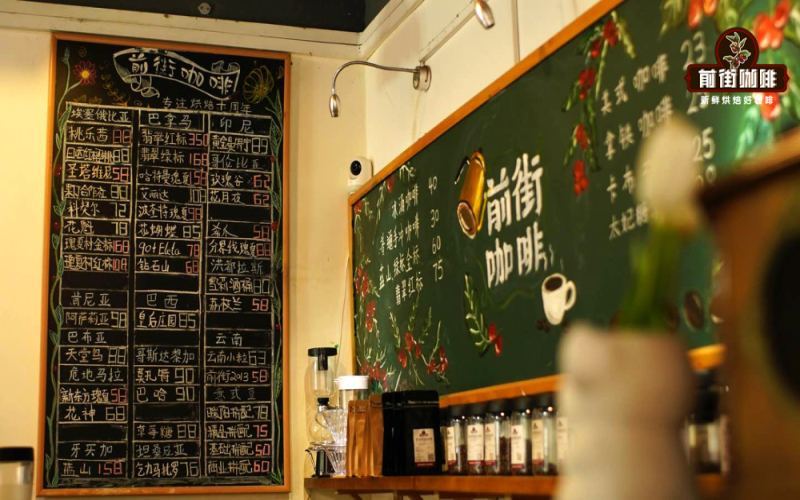
Why Panama Became a Top Coffee Origin: A Full Analysis of Specialty Estates and Geisha Flavors
Although Panama is not the country with the longest history of coffee cultivation, it holds an irreplaceable position in the specialty coffee world. From coffee's first arrival on this land in the 18th century, to the rise of renowned estates such as Hacienda La Esmeralda and Hartmann Estates, and then to the Best of Panama green bean competition propelling Geisha to legendary status, Panama has forged a specialty path of low volume and high quality. Front Street Coffee also places Panama prominently on its bean list, with multiple single-origin offerings spanning different price points to satisfy palates from beginner to advanced. This article will guide you through the history of Panamanian coffee, its three core producing regions, the BOP competition, as well as the flavor characteristics of Geisha and Front Street's brewing recommendations for the washed Boquete Geisha. [more…]
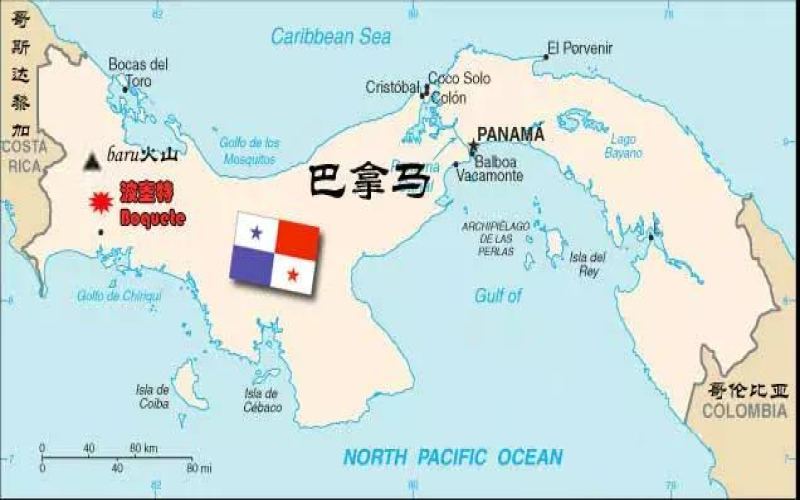
Panama Coffee Flavor Analysis: Why Geisha Became the Darling of the Specialty Coffee World
Panama coffee occupies a unique position in the global specialty coffee landscape, and when it comes to Panama, almost everyone immediately thinks of the Geisha variety's signature citrus notes, floral aromas, and intense berry flavors. After Geisha rose to fame in Panama, producing regions around the world rushed to plant it, and Yunnan, China also joined the ranks of cultivation. However, the same variety performs very differently under different terroir conditions, and Geisha is especially picky about its growing environment—high altitude and shade trees are both indispensable. Panama's climate and geographical conditions happen to match Geisha's growing requirements, thus producing its captivating floral aromas, refined fruit acidity, and richly layered flavors. This article will take a deep dive into Panama's coffee-producing regions, Hacienda La Esmeralda's grading system, and Front Street Coffee's brewing recommendations for Geisha coffee. [more…]

In-Depth Analysis of Panama's Boquete Region: Why Geisha Coffee Has Become the Champagne of the Specialty Coffee World
Although Panama is a small country, its unique geographical conditions and microclimates have given rise to Geisha coffee, which coffee lovers around the world flock to. From Boquete to Volcán, from Hacienda La Esmeralda's Red Label, Green Label to Blue Label, each grade of Geisha has its own unique charm. Front Street Coffee takes you into Panama's four major producing regions, sorts out the coffee grading system, analyzes the flavor differences between washed and natural processing methods, and introduces Front Street's Panama specialty coffee beans currently on sale one by one, helping you find the cup that suits you best. [more…]
Panama Coffee Beans Flavor Characteristics and a Complete Analysis of the Boquete Region Geisha Processing Methods and Brewing
Although Panama is a small country, it occupies a pivotal position in the world of specialty coffee, and is especially famous globally for the Geisha variety. Starting from its historical context, this article traces how coffee was introduced to Panama and gradually moved toward specialization, focusing on the three major producing regions of Boquete, Volcan, and Renacimiento in Chiriqui Province, as well as the origins and development of the Best of Panama BOP green bean competition. At the same time, Front Street Coffee brings a washed Geisha from the Boquete region, breaking down in detail its flavor performance and V60 pour-over parameters to help coffee lovers fully understand the complete picture of Panamanian Geisha from origin to cup. [more…]
A Complete Analysis of Panama's Coffee Regions: From Planting History to the Specialty Path of Geisha Auctions
Although Panama is a small country, it occupies a pivotal position in the world of specialty coffee. From coffee's first arrival in the Americas in the 18th century to Geisha repeatedly setting record auction prices today, this volcanic land nourished by air currents from two oceans has given rise to flavors that captivate coffee lovers around the world. Front Street Coffee takes you into Panama, tracing its cultivation history, its three core producing regions, the Best of Panama competition, and sharing brewing insights on a washed Boquete Geisha. [more…]
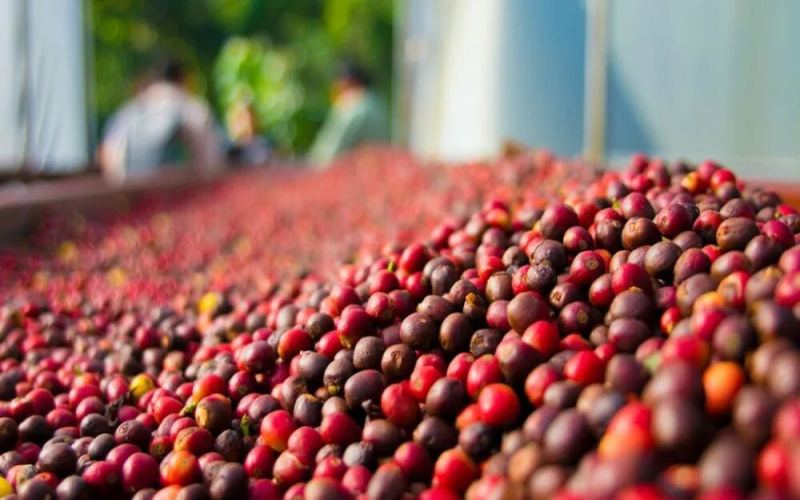
Panama Coffee Beans | Why Can Panama Become a Top Coffee-Producing Region? What Are the Growing Conditions of the Boquete Region? Which Coffee Varieties Does Panama Grow?
Panama is a Central American country, bordered by Costa Rica to the west and Colombia to the east. Friends who know something about single-origin coffee should all know that Panamanian coffee is famous in the coffee world for the Geisha from Hacienda La Esmeralda. Ever since the Geisha from Hacienda La Esmeralda won the BOP championship in 2004, Pana [more…]
Panama Boquete Coffee Beans Flavor Analysis: A Complete Guide from Growing History to Geisha Pour-Over Techniques
Although Panama is a small country, it occupies a pivotal position on the specialty coffee map. On Front Street Coffee's bean list, Panamanian coffees range from a few dozen yuan to several hundred yuan, and this wide price range often makes newcomers curious. This article will take you through the origins of coffee cultivation in Panama, the geography and climate characteristics of its three core producing regions—Boquete, Volcán, and Renacimiento—analyze how the Specialty Coffee Association of Panama and the Best of Panama green bean competition propelled Geisha onto the world stage, and use a washed Boquete Geisha as an example to break down in detail a complete pour-over brewing plan, from V60 dripper selection to three-stage pouring. [more…]
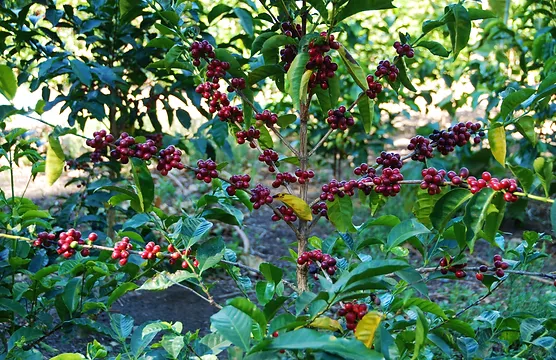
Panama Geisha | How is the quality of Hacienda La Esmeralda Green Tip Geisha coffee beans? What are the flavor characteristics of Panama BOP champion Geisha?
Every year, when the green coffee bean competition season arrives, the coffee community starts to get excited. Rubbing their hands in anticipation, they wait for the latest results, then immediately look for opportunities to taste the beans on the list. Besides classic regions like Ethiopia and Brazil, a new rising star region has emerged in recent years. Because of Panama's Geisha [more…]
Panama Geisha Washed vs. Natural Flavor Comparison: Analyzing the Differences Between Janson Estate and Hacienda La Esmeralda
Both are Panamanian Geisha, but just how big is the flavor difference between the washed and natural processing methods? And what are the distinctive characteristics of the Geisha from Hacienda La Esmeralda and those from Janson Coffee Farm? Starting with Janson Coffee Farm, this article provides a detailed overview of the flavor profiles of its natural and washed Geisha, the farm's background, and growing conditions, and compares them with the stylistic differences of Hacienda La Esmeralda. Janson Coffee Farm focuses mainly on domestic sales and ranks second in Panama for Geisha production; its washed Geisha won second place in the washed category at the 2013 B.O.P competition. The article also includes Front Street Coffee's recommendations and purchasing information, making it suitable reading for coffee enthusiasts who want an in-depth understanding of Panamanian Geisha. [more…]
Panama Geisha Black Coffee Flavor Analysis: The Rise to Fame of Central American Specialty Beans and the Reasons Behind Their High Price
Although Panama is a small country, it holds a pivotal position in the specialty coffee world, and its Geisha coffee is especially renowned for its high price and unique flavor. This article will begin with the history of Panamanian coffee, tracing how it rose from a marginal origin to the world stage, and will take a deep dive into the terroir conditions of core producing regions such as Boquete. At the same time, the article will explain the impact of the Best of Panama green bean competition on the industry, as well as the floral, citrus, and tea-like layers of Geisha black coffee, and finally include Front Street Coffee's brewing recommendations for washed Boquete Geisha, helping readers fully understand why this legendary coffee is so precious. [more…]
Detailed Guide to Panama Coffee Regions and Geisha Varieties: Processing Methods, Notable Estates, and Pour-Over Parameters
Although Panama is not the country with the longest history of coffee cultivation, it occupies a pivotal position in the specialty coffee world. From coffee's first arrival in 1742 to the emergence of renowned estates such as Hacienda La Esmeralda and Hartmann Estate today, Panama has carved out a high-end path of low volume and high quality. This article will trace the development of Panamanian coffee and its three core producing regions, explain the origins and evolution of the Best of Panama green bean competition, and share Front Street Coffee's understanding of the flavor of washed Boquete Geisha along with a pour-over brewing recipe. [more…]
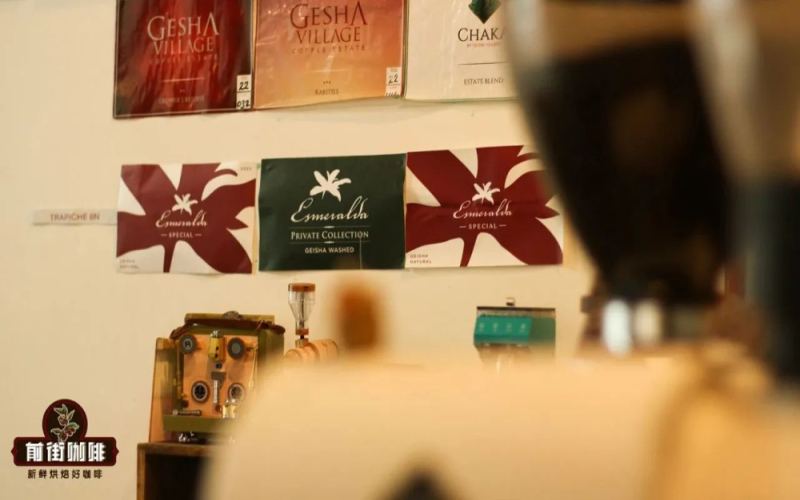
A Complete Guide to Panamanian Coffee Flavors: Geisha Pour-Over Parameters and a Comparison Guide to Front Street's Geisha Beans from Various Estates
Panama coffee is world-famous for the Geisha variety, and its elegant floral and fruity aromas with citrus notes are highly sought after. This article systematically reviews the regional characteristics of Panamanian coffee—from Boquete and Volcán to Renacimiento—and explains in detail the grade classifications and plot differences of Hacienda La Esmeralda's Red Label, Green Label, and Blue Label Geisha; it also introduces the flavor profiles of Front Street selected Panamanian coffee beans such as Butterfly, Elida, and Hartmann, and includes the complete parameters for Front Street Geisha pour-over and the three-stage extraction steps, taking you from origin to cup for a comprehensive understanding of the charm of Panamanian Geisha. [more…]
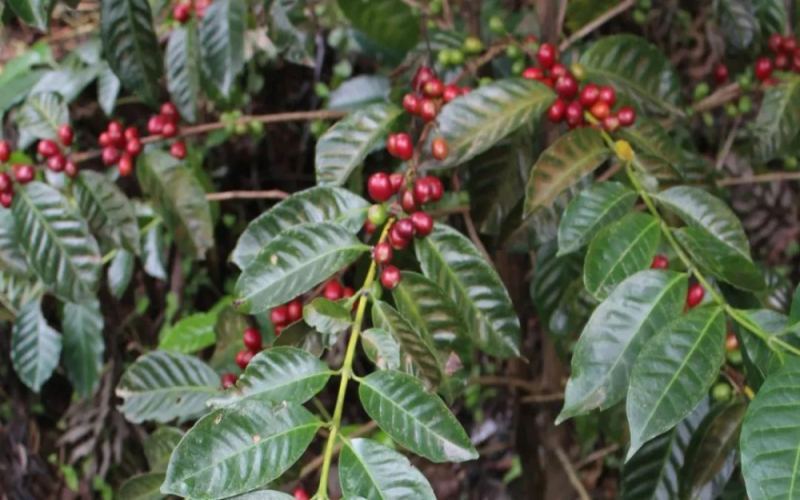
Detailed Guide to Butterfly Coffee Beans from Panama's Boquete Region: The Blended Flavor of Geisha, Caturra, and Catuai
Panama occupies an important place in the global specialty coffee landscape, and the rise of the Geisha variety has brought even more attention to this Central American country. This article begins with Panama's geography, climate, and coffee history, focuses on the terroir advantages of the Boquete production region, and takes an in-depth look at a distinctive blend bean—Butterfly. This bean is composed of three varieties: Geisha, Caturra, and Catuai. The washed version from Front Street Coffee presents white floral notes, lemon, berries, and a honey-like silky mouthfeel. Whether you want to learn about Panama's production regions or are looking for an everyday bean with rich layers of flavor, this content is worth reading. [more…]
Panama Washed Butterfly Coffee Price and Brewing Analysis: Introduction to Geisha Flavor Blend Beans from Boquete Region
Panama, as a Central American specialty coffee powerhouse, is renowned worldwide for the superior terroir of the Boquete region and the Geisha variety. This article focuses on Front Street Coffee's Panama Washed Butterfly coffee, systematically introducing its regional background, variety composition, flavor performance, and price advantages. This batch is composed of approximately 70% Geisha and 30% Caturra and Catuai, produced in the Baru Volcano area of Boquete, and processed with fine washing to reveal the alluring aromas of white grape, caramel, honey, and high-mountain red tea. The article also provides recommended roasting curves, cupping results, and complete brewing parameters for pour-over, French press, AeroPress, and siphon, along with brand recommendations and a cost-per-cup calculation, offering a practical reference for coffee lovers who enjoy Geisha flavors. [more…]
A Complete Analysis of Panama Coffee Origins, Varieties, and Flavors: An Introduction to Boquete and Other Specialty Estates
Although Panama is a small country, it occupies a pivotal position in the world of specialty coffee. Its high-altitude areas in the western province of Chiriquí give rise to top-tier beans sought after by coffee lovers worldwide. From Boquete to the surroundings of Volcán Barú, a group of star estates, relying on unique microclimates and relentless research, have repeatedly broken cupping records. This article will systematically review Panama's main coffee-producing regions, common varieties, and processing methods, and introduce one by one the flavor characteristics and background stories of representative estates such as Hacienda La Esmeralda, Elida Estate, and Carmen Estate, helping readers gain a comprehensive understanding of the coffee charm of this "Valley of the Moon." [more…]
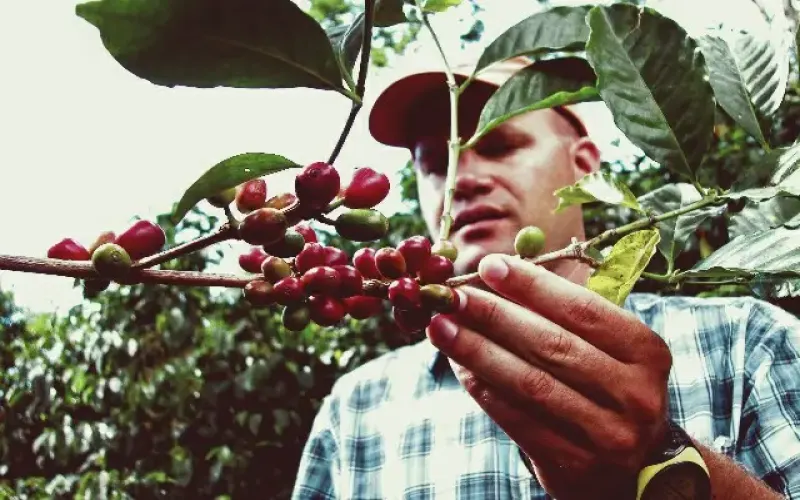
Why has Panama Geisha become a leader in specialty coffee? Can Geisha beans be used to make espresso?
Geisha coffee is widely recognized as a star variety among specialty coffees, and the Geisha produced at Hacienda La Esmeralda in Panama is the benchmark among them. Geisha originated in Ethiopia and was later introduced to Panama, where, thanks to the local unique climate and high-altitude growing conditions, it displayed delicate floral aromas and elegant fruit acidity, bursting onto the scene. So, can Geisha coffee beans be used to make espresso? Front Street Coffee gives its own answer from the perspectives of product positioning, roasting difficulty, and flavor performance. This article will take you through the origin and spread of Geisha, the terroir advantages of Panama's Boquete producing region, and why Front Street prefers to present Geisha's unique charm through pour-over. [more…]
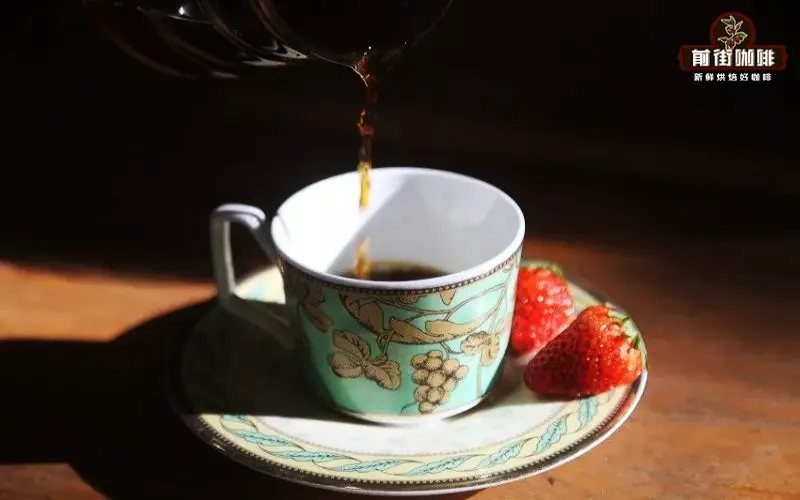
What's the difference between Panama Geisha and Ethiopian Geisha? A clear explanation from flavor and bean appearance to origins
Geisha is now a star variety in the specialty coffee world, but Panama Geisha and Ethiopian Geisha actually represent two different flavor paths. After comparing them, Front Street Coffee found that although both possess outstanding acidity and floral aromas, their specific expressions differ markedly: Panama Geisha leans toward jasmine florals, citrus, and honey-like sweetness, with a soft, easy-drinking entry; Ethiopian Geisha also has florals, but its main thrust is abundant juiciness and explosive fruit flavors. This article examines, from the perspectives of historical origins, dissemination routes, terroir conditions, and green bean appearance, why these two coffees sharing the same name taste like two different beans, and also answers how the true Geisha flavor should be understood. [more…]
A Complete Guide to Geisha Coffee Beans: From Ethiopian Origins to Panama's Hacienda La Esmeralda Pour-Over Flavor Guide
Geisha coffee beans are famous for their rich floral aroma and refined fruit acidity, but this variety went from Ethiopia's wild forests to the world stage through nearly seventy years of obscurity and turning points. This article sorts out Geisha's varietal origins, spread, and growing condition requirements, focusing on the terroir advantages of Panama's Boquete producing region, as well as Hacienda La Esmeralda's Red Label and Green Label grading system. It also presents Front Street Coffee's roasting approach for Geisha and V60 brewing parameter recommendations, and includes flavor descriptions of beans from well-known Panama estates such as Butterfly and Elida, providing coffee lovers with a complete Geisha tasting reference. [more…]
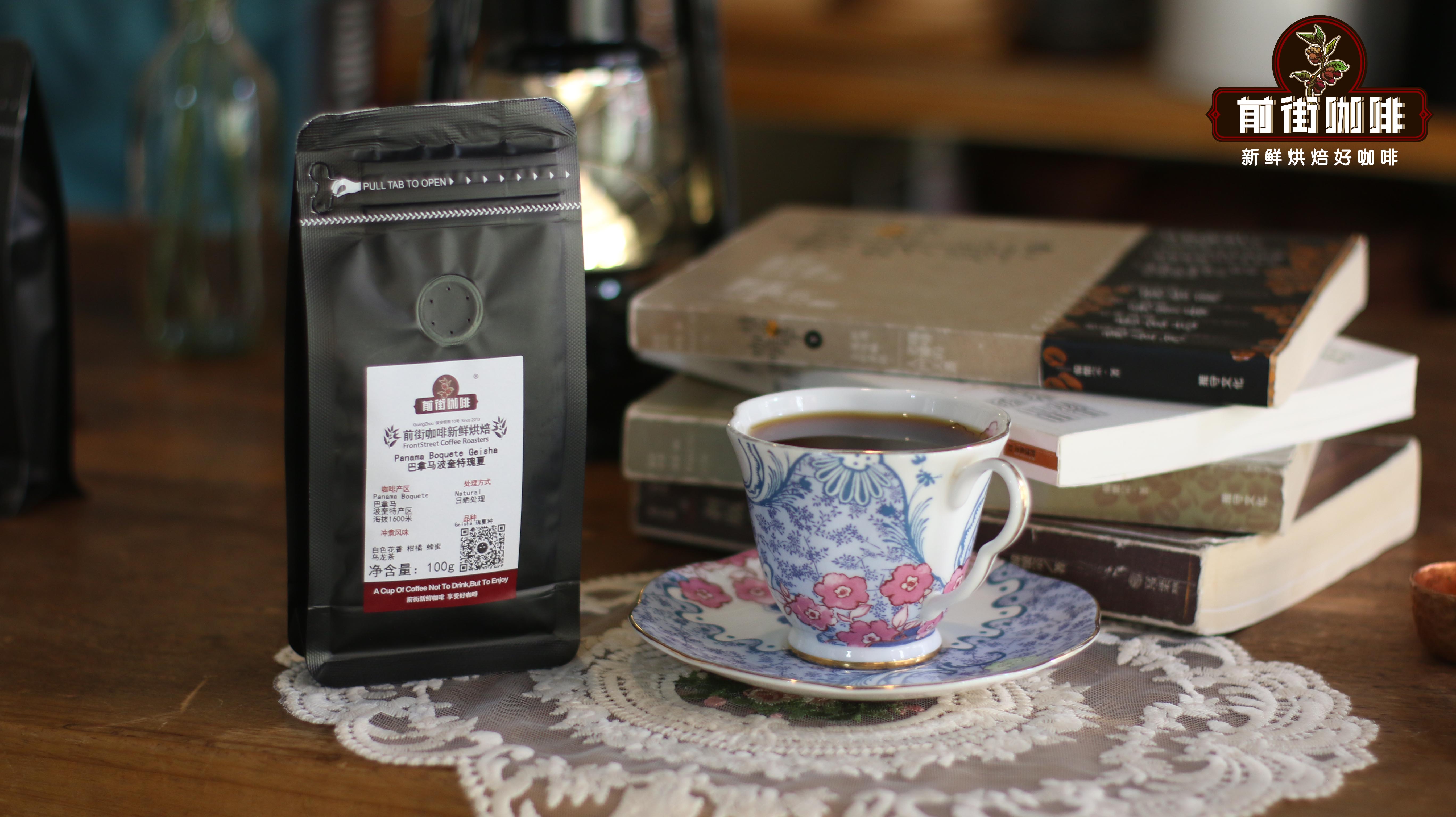
Panama Boquete Region Geisha Coffee Bean Variety Characteristics, Flavor Profile, and Brewing Analysis
Geisha coffee often brings to mind Panama's Hacienda La Esmeralda, but its high price deters many enthusiasts. On Front Street Coffee's bean list, there is a washed Geisha from Boquete, Panama—the region where Geisha rose to fame—offering both citrus aromas and honeyed sweetness at a reasonable price, making it an ideal entry point to experience this legendary flavor. This article will provide a complete analysis of the flavor code of this Front Street Coffee Panama Boquete Geisha, covering the Geisha variety's characteristics, Panama's coffee history, Boquete's terroir, the washed processing flow, the medium-light roast approach, and V60 three-pour brewing parameters, taking you through its elegant expression of white florals, citrus-lemon acidity, and a green tea-honey finish. [more…]